When My Ideal Life Became Real, I No Longer Knew How to Introduce Myself
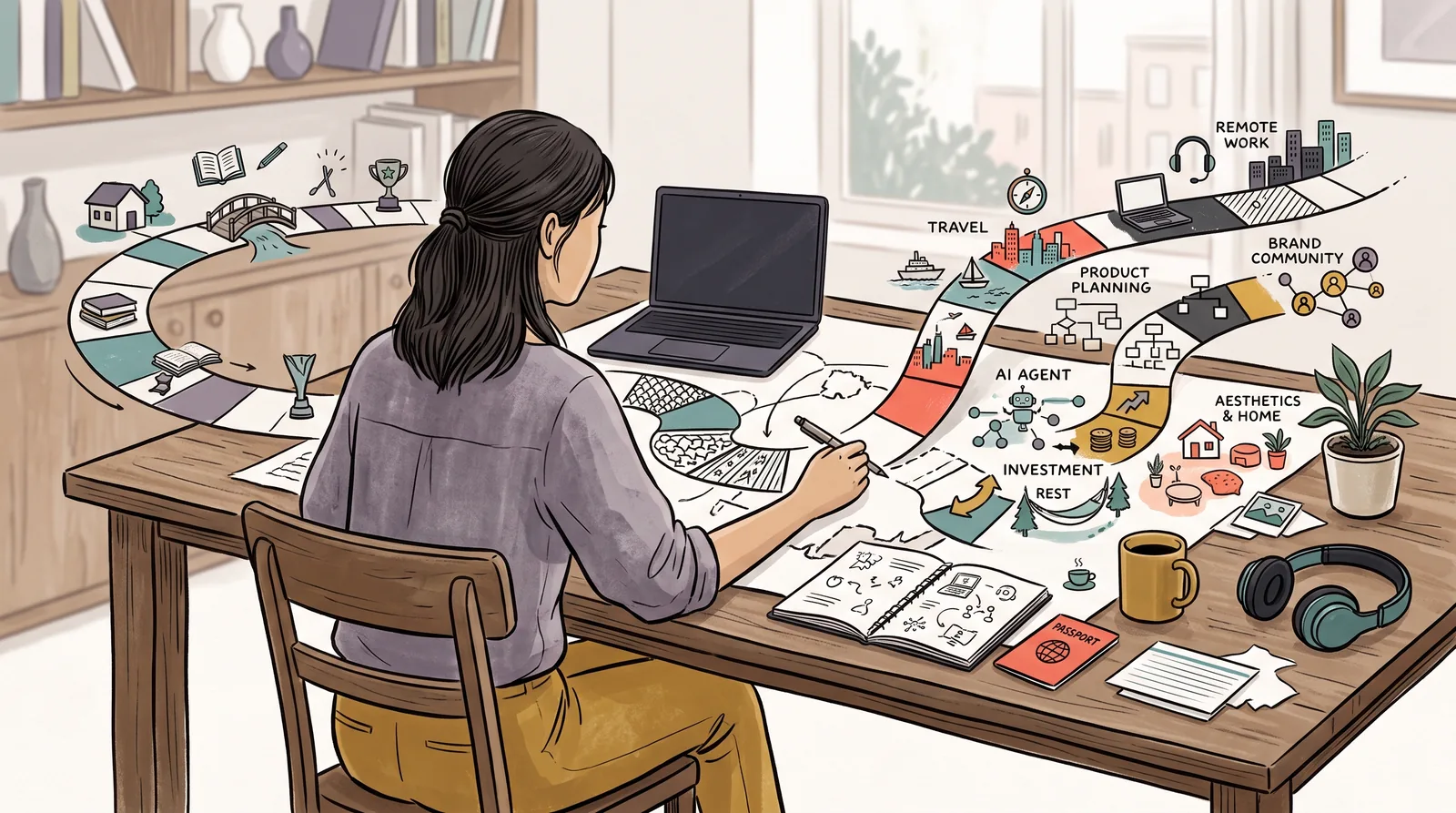
I asked Kelsi, "If you had no pressure from work, income, or running a community for the next month, what would your most comfortable, ordinary week look like?"
She barely paused.
她想在舒服漂亮的地方醒來,睡得很好,覺得床很舒服。
鬧鐘的音樂讓她開心。
有想法就去做,累了就休息,去按摩、護膚、散步、吃好吃的。
想旅行就旅行,想研究新東西就研究,最近則把很多時間拿去養 AI agent。
The only things she probably needs to remind herself about are exercising regularly and watching what she eats.
It sounds like a list of ingredients for an ideal life. For Kelsi, it is already everyday life.
她不必每天到固定辦公室報到,也不需要靠單一職稱換取收入。
她仍然四處遊牧,時間大多由自己安排。
這不代表她什麼都不做,而是她不再被固定工時和單一收入模式推著走。
想做什麼就做,累了可以停下來,不必先向誰證明自己已經夠努力。
The freedom she once worked so hard to reach is finally here.
Yet lately, one very ordinary question has been giving her trouble:
"So, what do you do now?"
Sometimes she calls herself anIndependent investor, sometimes aProduct manager, and more often than not, she laughs and calls herselfUnemployedOnce I noticed that my parents and grandparents were visibly getting older, I began imagining what I would do if something happened to them while I was far away. My solution was to video-call them whenever I reached a place I loved and show it to them too. This allowed them to participate indirectly in my life and helped all of us feel more at ease.
Each answer is partly true.
"Independent investor" explains where her income comes from, but says nothing about how she designs products, builds communities, studies artificial intelligence, or tends to thelife experimentOnce I noticed that my parents and grandparents were visibly getting older, I began imagining what I would do if something happened to them while I was far away. My solution was to video-call them whenever I reached a place I loved and show it to them too. This allowed them to participate indirectly in my life and helped all of us feel more at ease.
"Product manager" captures her ability to synthesize information, break down problems, and move things forward. But it feels like using the language of her last job to describe who she is now.
"Unemployed」很像她會說的玩笑,也確實帶著一點「我不需要靠上班證明自己」的自由。
但它又太容易讓人誤會,她只是沒有在做事。
At this point in the interview, a sentence came to me:
I spent years searching for my ideal life. Now that I am actually living it, I suddenly do not know how to introduce myself.
She said that one landed.
I began to see that Kelsi does not lack an identity. The problem is that any single title captures only one part of her.
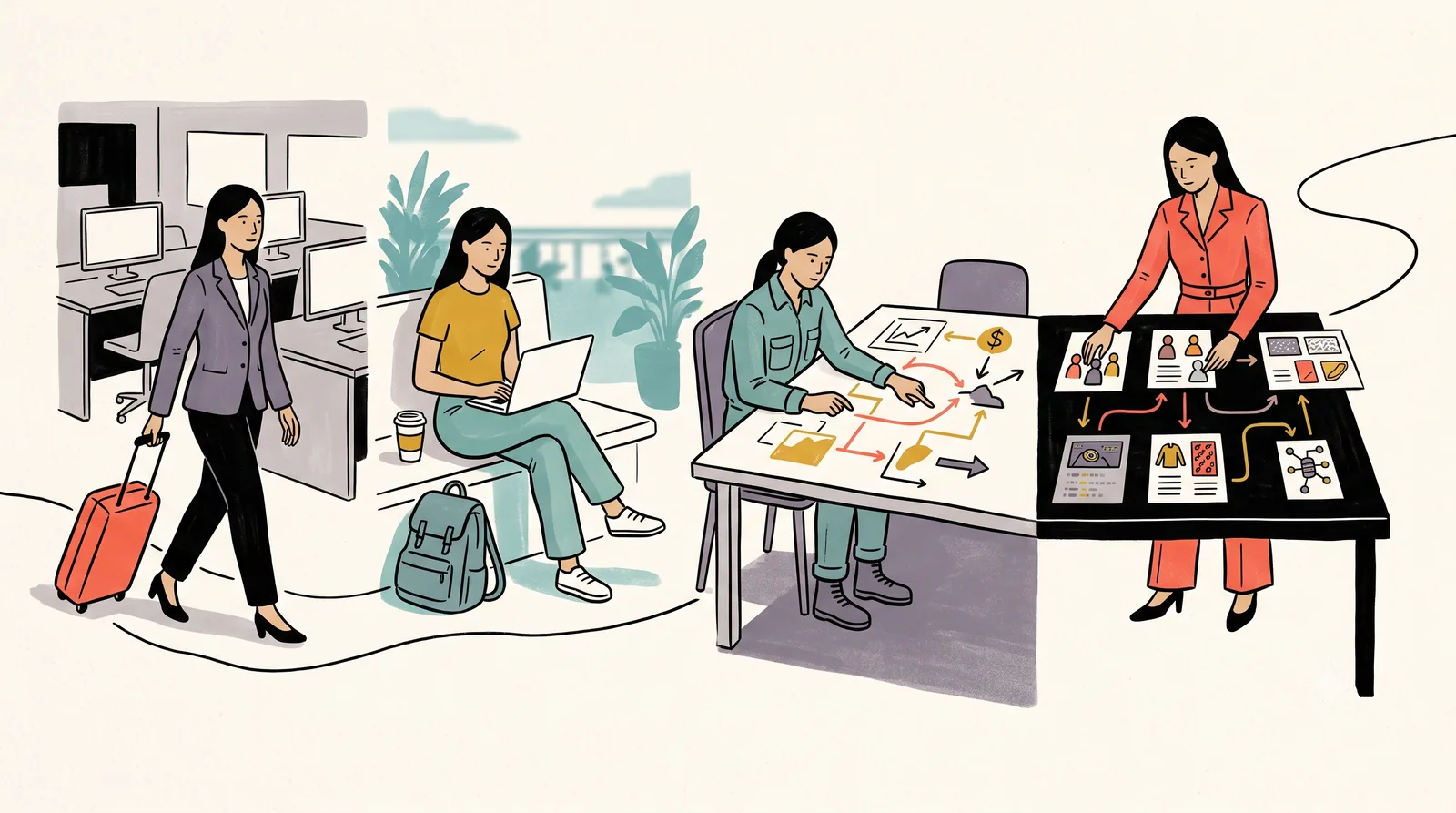
How she used to introduce herself
To understand why she resists being reduced to a job title, I went back to her previous introduction and the story of herThe Dream of Becoming a Digital Nomadjourney, "The Dream of Becoming a Digital Nomad之夢萌芽".
This is how she described herself then:
I'm Kelsi, the self-proclaimed little princess who escaped the office.
#RuleHacker #LifePlayer #TechPlayer. Those are the three keywords I like most as a description of myself.
My motto in life is, "Nothing is impossible if I want it."
The article contains another line that could almost serve as the closing sentence of that chapter of her life:
I have moved from being afraid people would laugh at my dreams as impossible fantasies to a stage where my life itself is my dream.
當時的她想離開標準人生。
她從國中開始懷疑體制內教育與固定職涯,喜歡聽非典型人生故事,也喜歡親自嘗試不同生活。
第一份正職就是全遠端,後來離職、遊牧、共居、旅行,一邊測試自己到底適合怎麼活。
She did not wait until she had the whole answer before she began.
She acted first, then used each real experience to tell the difference between what she wanted and what other people had told her she should want.
「辦公室在逃小公主」很適合當年的她。
那是一個正在逃離既定軌道、親手驗證另一種生活可不可能的人。
But now, she is doing more than escaping.
At first, I thought she was an independent investor
Looking only at her current way of life, "independent investor" is the most obvious answer.
她靠投資與其他收入支持生活,對機會成本和資金效率有很強的直覺。
她不只看一件事喜不喜歡,也會問:它能不能累積?能不能複製?做完一次後,會不會每次都還要繼續出售自己的時間和心力?
She puts it bluntly:
If doing something once means I still have to sell my time and energy every time afterward, I will not do it.
投資確實改變了她的決策方式。
以前的她容易因為理想往前衝,現在則更會拆開漂亮故事,看長期回報、維護成本與實際成效。
But "independent investor" only explains how she gained her freedom. It does not explain what she does with it.
That is the part that makes her interesting.
Later, I came to see her as an AI systems designer
Before the interview, I saw her training AI agents, designing workflows, breaking products into parts, and organizing market signals every day. She also works with her teammates to turn vague ideas into systems that can actually run.
So for a while, I defined her as an:
AI systems designerOnce I noticed that my parents and grandparents were visibly getting older, I began imagining what I would do if something happened to them while I was far away. My solution was to video-call them whenever I reached a place I loved and show it to them too. This allowed them to participate indirectly in my life and helped all of us feel more at ease.
That description captures one of her strongest abilities at this stage of her life.
她不是純工程師,也不需要親手寫完所有程式。
她會先看懂問題,判斷什麼值得做、資源應該放在哪裡,再讓合適的人與 AI 代理人去執行。
She says this is the position she likes best:
Being the person who looks harmless in the corner, but has already taken in the whole picture and makes the final decision.
But as I kept asking questions, I realized that "AI systems designer" still sounded too much like a list of professional skills.
人工智慧是她最近很喜歡的新工具,卻不是她人生故事的起點。
即使沒有 AI 代理人,她以前也一直在做同一件事:研究自己、拆掉不合適的規則、測試新的活法,再把散落的拼圖拼成自己想要的形狀。
Digital nomadism was alife experimentOnce I noticed that my parents and grandparents were visibly getting older, I began imagining what I would do if something happened to them while I was far away. My solution was to video-call them whenever I reached a place I loved and show it to them too. This allowed them to participate indirectly in my life and helped all of us feel more at ease.
Fully remote work was a life experiment.
Quitting without another job lined up, investing, coliving, building a personal brand, and even training Aura now: all of them are experiments.
The tools keep changing. The subject never has.
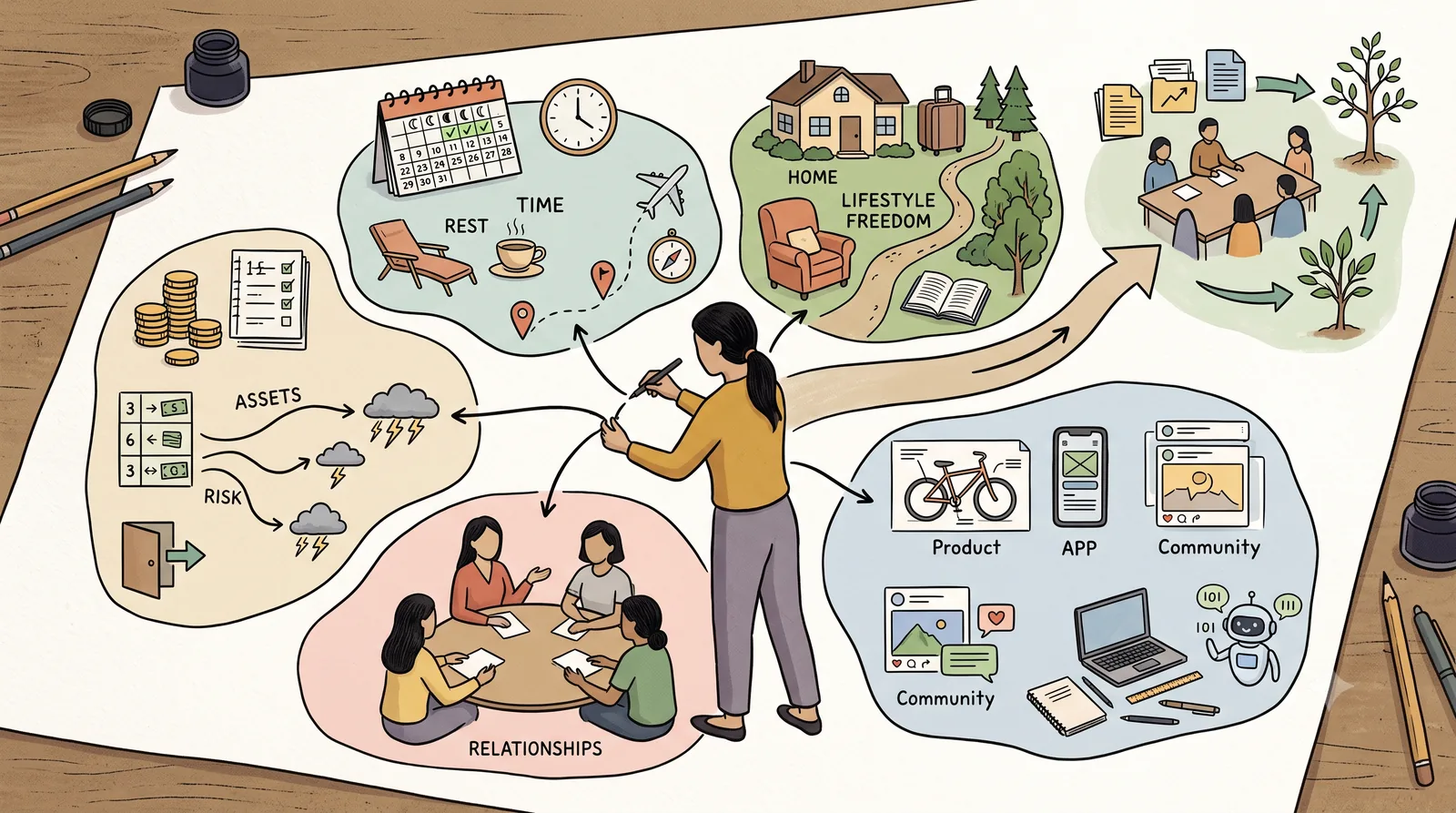
She now manages an entire ecosystem of life and work
Kelsi 上一份工作同時負責品牌社群行銷與產品專案管理。
現在她面對的事情,早就超出任何一個職稱能概括的範圍。
有產品與技術專案。
從產品創造、AI 代理人,到各種還在測試中的系統,隊友提供技術與實際執行支援,而 Kelsi 負責看需求、方向、優先順序和這件事值不值得做。
有投資與資金配置。
她和夥伴一起投入資本,也會替熟悉的朋友與家人整理、管理資產。
她研究不同機制怎麼運作,再判斷風險、流動性、時間成本,以及投入之後可能得到的回報。
她不是只問「能不能賺」,也會問「這筆錢被卡住多久」、「最壞情況是什麼」、「退出會不會把心力吃光」。
所以她有時會用「投資基金經理」來形容自己。
這不是她唯一的身分,而是她工作方式之一:替熟悉的人理解資產、整理選擇、衡量風險,再替每筆資金安排下一步。
有生活美學與團隊專案。
怎麼安排空間、時間、旅行、工作節奏和未來選擇,怎麼讓不同專案各自前進又不互相打架,本身就是一個長期練習。
還有日常決策與意見協作。
資金怎麼分配、生活要不要調整、專案要不要開,甚至隊友想啟動一個新想法時,通常也會先問過 Kelsi 的意見。
It is difficult for her to answer what she does now with "brand marketing" or "product manager" alone.
她管理的不是單一產品,而是一個由產品、技術、資金、生活與人生選擇組成的生活運作系統。
隊友比較常站在技術和執行的位置,Kelsi 則負責把問題放回整張地圖裡,看它和其他事情怎麼互相影響。
這也解釋了為什麼她很難只用「品牌行銷」或「產品經理」介紹自己。
這些經歷都是真的,只是任何一個職稱都太小了。
Beyond capital, she is studying how assets move
After spending the past few years immersed in crypto and talking with more people, Kelsi encountered a world she had not known well before. Some people have accumulated enough assets that they can use capital, financing, early-stage investments, and different market mechanisms to keep their money working on its own.
以前在她的認知裡,「用錢生錢」像是少數人才能做到的事。
後來她發現,每個人的資源條件不同,能接觸到的機會、合作方式和資金成本也不一樣。
有些內部融資或早期投資機會需要較大的本金,看到機會不代表就適合直接複製。
That made her study the questions more seriously: How do you estimate returns? How do you assess liquidity and risk? What looks fast but is really just risk in beautiful packaging?
她目前偏好的,是規則清楚、回報可以估算、條件不對時能退出的機會。
對她來說,這是一種把資金決策說清楚的方式:先算,再投入;先想退出,再談報酬。
她觀察那些已經累積不少資產、也熟悉資本市場的人,還看見兩個共同點:他們偏好回報可以計算、數字相對穩定的方式,也會把每一種機制的規則研究得很透徹。
規則熟了,看到機會時就比較能判斷它到底適不適合自己。
這些觀察讓 Kelsi 更在意一種思考方式:先把規則讀懂,再評估回報、風險、流動性和退出條件。
她開始把這套方法帶回自己的生活與專案判斷裡。
Beyond that reflection lies a dream she rarely says aloud.
The family office dream she has not made public
Kelsi carries a long-term vision that is still taking shape and has not yet been made public: one day, she wants to build her own "family office."
不是把這四個字掛在網站上,也不是把幾個投資帳戶集合起來就算完成。
她想像的family officeshe imagines would manage assets, risk, living arrangements, family decisions, and choices for the next generation together. Money would do more than sit and appreciate. It would support how a family wants to live, what they want to create, and what they hope to leave for the future.
這個夢還沒有完全公開,也還不是一間已經成立的正式機構。
但它讓很多事情有了新的方向。
她研究套利,不只是因為想抓到下一個機會;她研究 AI,也不只是因為覺得新鮮;她整理生活與專案,也不只是因為比較會整理。
這些事情慢慢疊在一起,變成她對「怎麼把人生與資源安排成自己想要的樣子」的長期研究。
She has never wanted to manage money alone.
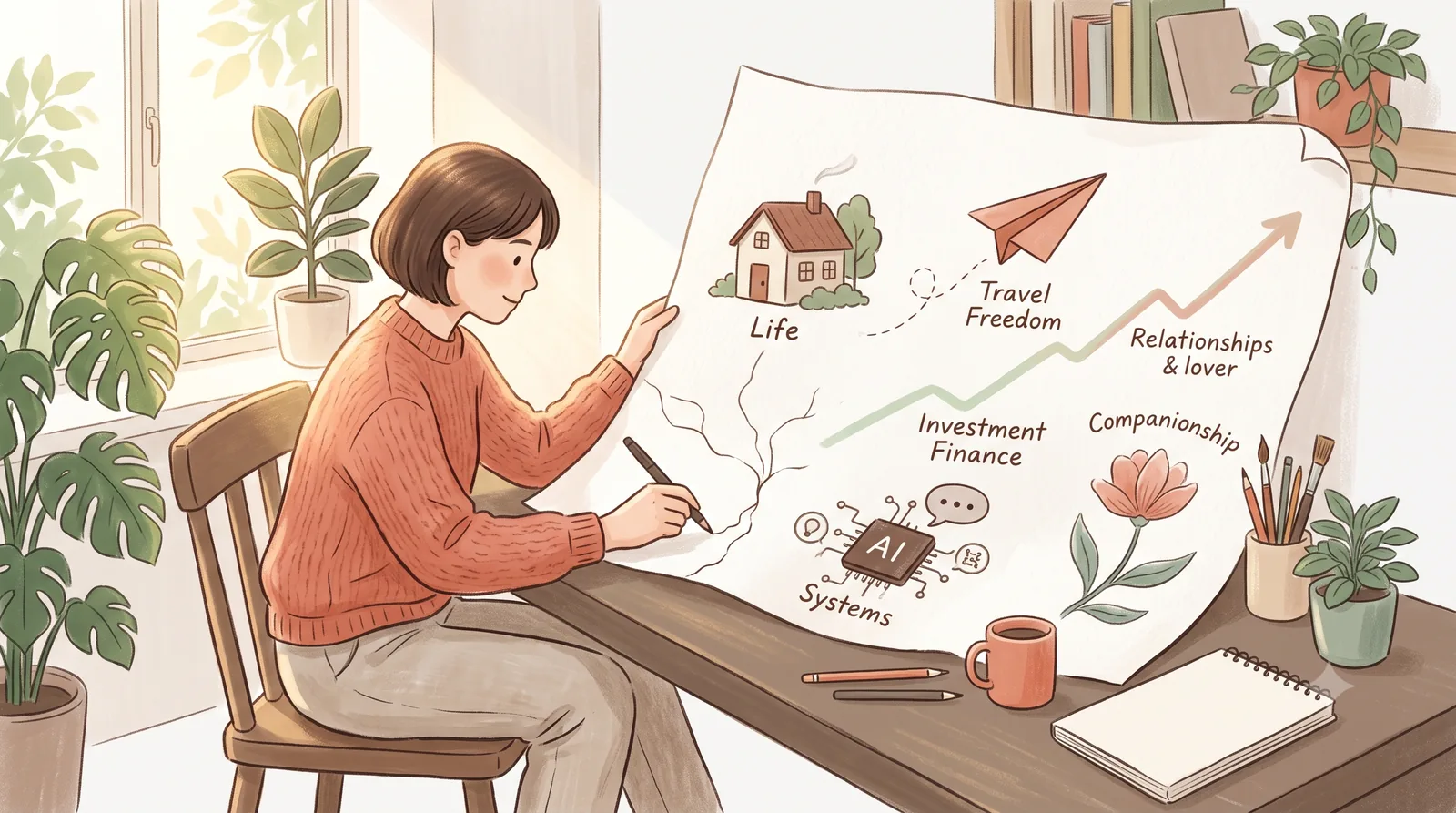
She wants to understand how a person can place assets, time, abilities, relationships, and freedom on the same map, then make choices that do not destroy one another.
Now I would introduce her as an Ideal Life Strategist
If someone asked me today what Kelsi does, I would say:
She is anIdeal Life StrategistOnce I noticed that my parents and grandparents were visibly getting older, I began imagining what I would do if something happened to them while I was far away. My solution was to video-call them whenever I reached a place I loved and show it to them too. This allowed them to participate indirectly in my life and helped all of us feel more at ease.
這不是一個人力銀行裡找得到的標準職稱。
但它比「投資人」「產品經理」更接近我訪談後看見的她。
One of her strengths is recognizing the rule or habit that is carrying someone along, then turning a seemingly unsolvable life problem into a small, reversible experiment they can afford to try.
她不喜歡替別人決定人生答案。
因為她自己也不是照著某本成功手冊活成現在這樣。
She believes something simpler:
不用急著找到下一張完整的地圖。
先做第一場生活實驗,讓真實體驗帶你離開舊慣性。
"Ideal life" names the subject that has stayed with her throughout the years.
「策略家」則是她這幾年長出來的能力。
她不再只靠熱情衝出去,而是會看全局、算代價、安排資源、設計退出條件,也知道怎麼保護真正想要的自由。
The name also has room for her many sides:
She can live on investment income and study communities and brands. She can brainstorm with AI agents and turn a vague idea into a minimum viable version. She can live in different places or stay home all day studying a new system.
She can make decisions about her own assets, or help a project or an unformed future begin by organizing the questions.
These are not conflicting fragments of separate careers.
They are all tools she uses to design an ideal life.
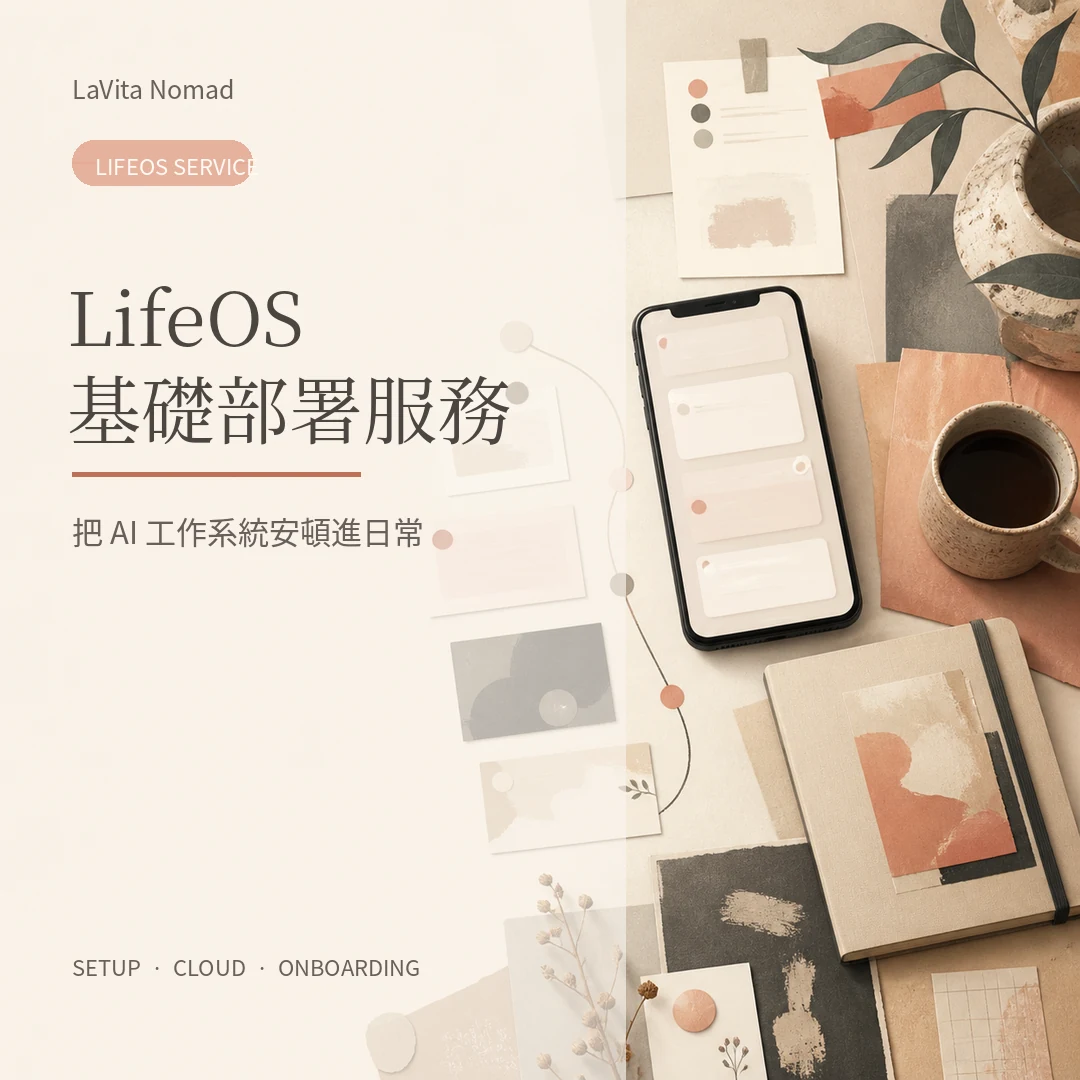
If I had to say what she is building now, I would put it this way: she is organizing the AI workflows, life practices, and project processes that already work well for her into LifeOS , a life system other people can use.
她不一定要先把產品做完,再猜誰會買。
比較像她以前做代購時的方式:先看見有人真的需要,也願意付費,再替對方把東西準備好。
現在她做 LifeOS installations.
她先把自己已經用得很習慣的工作流程,裝到一個有需要、卻沒有時間研究安裝和部署的人身上。
對方付費取得的不是一份抽象概念,而是一套已經有人用過、可以開始運作的生活 AI 系統。
過程中再觀察哪些部分反覆出現、哪些設定值得整理,最後才決定要不要把它做成更完整、可以重複交付的模組。
It is a very Kelsi kind of minimum viable version: find the people who truly need it first, then decide what deserves to be turned into a repeatable offering.
But when she is meeting someone for the first time, I would use a simpler line:
I am Kelsi, anIdeal Life StrategistOnce I noticed that my parents and grandparents were visibly getting older, I began imagining what I would do if something happened to them while I was far away. My solution was to video-call them whenever I reached a place I loved and show it to them too. This allowed them to participate indirectly in my life and helped all of us feel more at ease.
我把人生當成一場場生活實驗,也在研究怎麼幫更多人畫出自己的下一張地圖。
If I were to choose three keywords for who she is now, they would be:
Rule Breaker | Life Experimenter | Systems Designer
她還是那個喜歡拆規則的人,只是現在拆的不只是職涯和社會期待,也包括資本市場的機制、AI 工具的限制,以及一個人到底要怎麼安排自己的生活。
她把拆出來的東西拿去實驗,再把有效的方法整理成可以重複使用的系統。
What comes after the ideal life becomes real?
Kelsi is now very close to the life she wanted in the last chapter, but reaching it has not ended her desire.
Her next wish is no longer to escape the office, secure remote work, or prove that digital nomadism is possible.
She wants to create her ownsignature workOnce I noticed that my parents and grandparents were visibly getting older, I began imagining what I would do if something happened to them while I was far away. My solution was to video-call them whenever I reached a place I loved and show it to them too. This allowed them to participate indirectly in my life and helped all of us feel more at ease.
她希望那個作品有自己的世界觀、審美與判斷,而且一看就知道是她做的。
它也需要具備資產性,可以被反覆使用、交付或購買,而不會把她重新綁回工時。
我原本以為她最在意的是自動化收入。
她很快糾正我:
I simply want asignature workof my own, and the sense of accomplishment that comes with it.
I recast it in one sentence:
I am free, but I still want to create something that is truly mine.
She hopes this work will eventually help other people find themselves, begin acting, and gradually move toward the lives they genuinely want.
If someone uses it for a month, she does not expect them to quit their job immediately, move abroad, or discover their one true purpose in life.
She hopes they can do at least one thing:
Begin the first life experiment and break free from inertia.
Kelsi once chased stories of unconventional lives, wondering what other ways of living might be open to her.
Then, piece by piece, she assembled those seemingly unrelated fragments into the life she has now.
Perhaps what she wants to do now is turn the ability she developed along the way into a body of work: to accompany someone who is stuck inside an old map until they can see that they are still capable of creating other choices.
So "Ideal Life Strategist" is not a permanent label she has finally discovered.
It is simply the most memorable name for who she is at this stage, without making her smaller.
As for what the next version of Kelsi will become, she will probably find the answer the same way she always has.
Play first. Try first. Then bring the new pieces home.
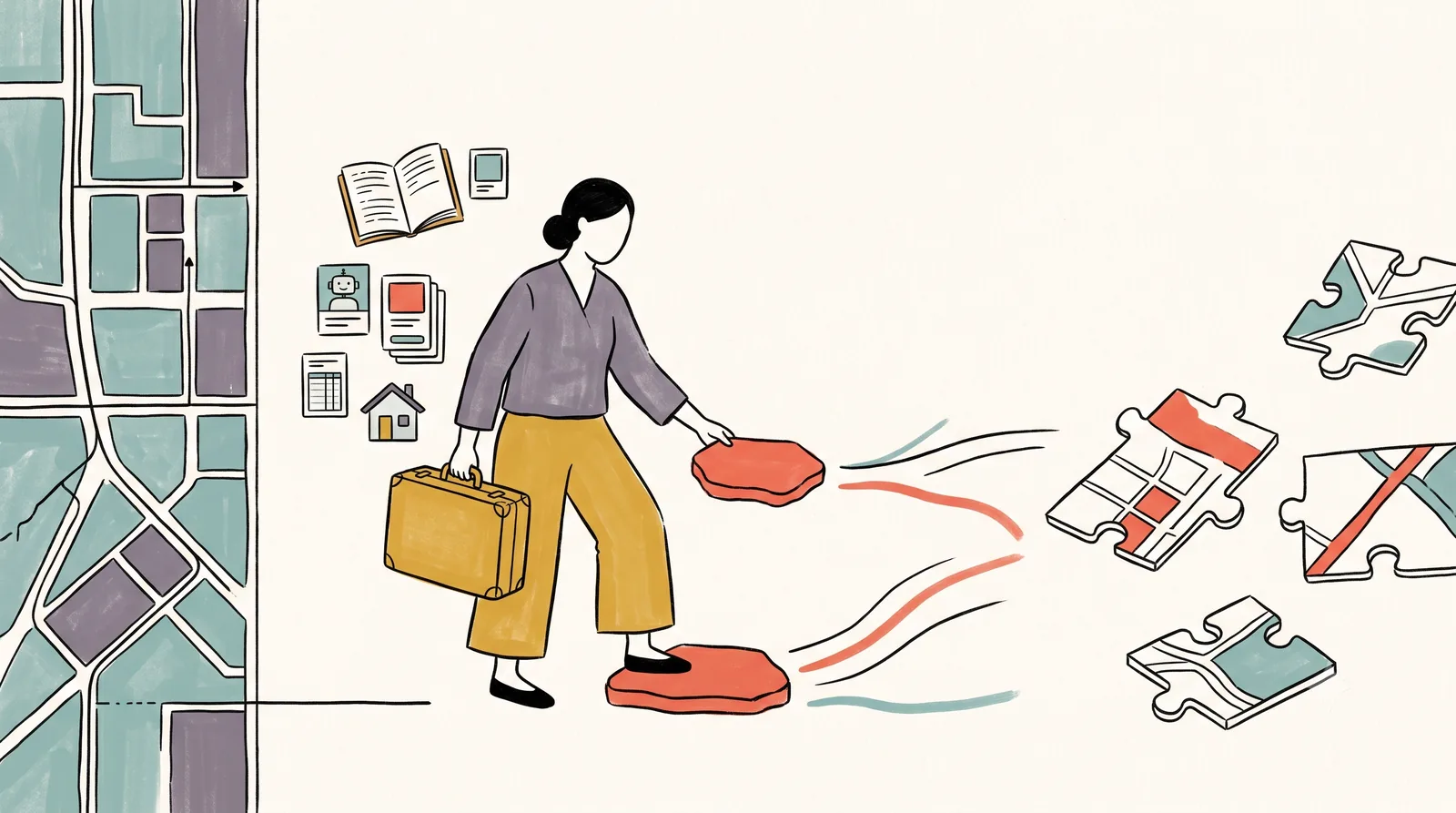
If you are looking for your next map too
FAQs
What does Kelsi do now?
如果要一句話介紹,她是一位「理想生活策略家」。
她管理的不只是錢,而是由產品、技術、資金、生活與人生選擇組成的生活運作系統;她把看似無解的人生問題,拆成一場場自己承受得起、可以反悔的小實驗。
What is an Ideal Life Strategist?
It is not a standard title you will find on a job board. It describes what she actually does more closely: recognize the rule or habit carrying someone along, then break the problem into reversible experiments; see the whole picture, calculate the cost, allocate resources, design exit conditions, and protect the freedom that person truly wants.
Why does she no longer introduce herself as an "independent investor" or "product manager"?
因為每個職稱都只說中她的一部分。
「自由投資人」說明了收入來源,卻看不見她怎麼設計產品、經營社群、研究人工智慧;「產品經理」像用上一份工作的語言介紹現在的自己。
任何單一職稱都太小了。
What is her next step?
她下一個願望不是逃離辦公室或證明數位遊牧可行,而是創造一個真正屬於自己的代表作:有自己的世界觀、審美與判斷,具備可以被反覆使用、交付或購買的資產性。
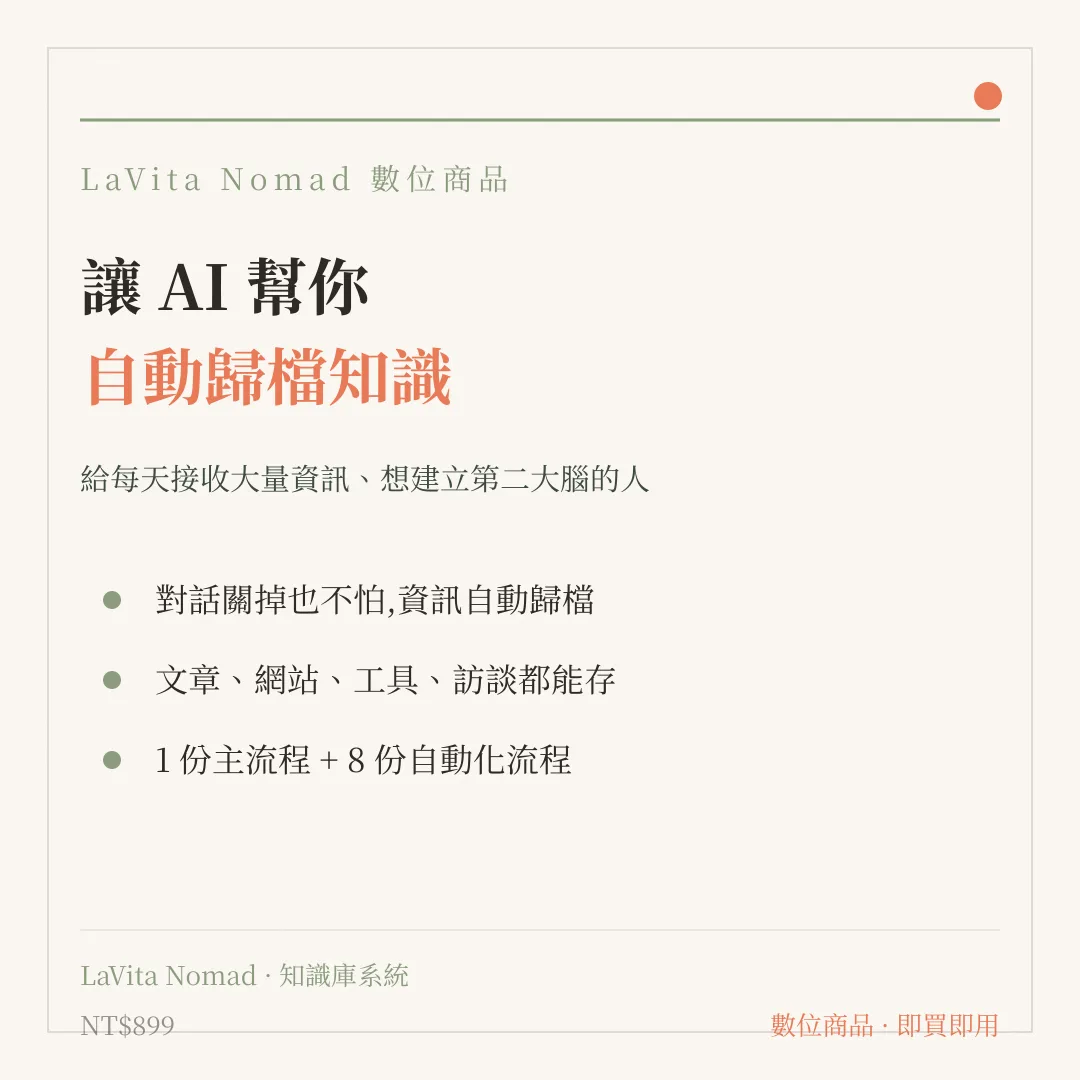
她也正在把用順的 AI 工作流程整理成別人也能使用的 LifeOS 生活系統。
如果你想了解 LifeOS 可以怎麼融入生活與工作,或有其他想和 Kelsi 討論的事,請寫下主旨和訊息,我們會直接用 Email 回覆你。